Spring season has settled in well now. The multiple layers of clothing have come down to the minimal, blankets at night are almost gone. And I hear increasing chatter about the usage of ACs, though still at a low setting. That’s how we realise the arrival of this season, which will bring in more warmth as we inch forward in the spell.
For me, this is a time when the outdoors are littered with the worn-out leaves. Here and there, the boots crushing these dried leaves – the sound is peculiar, crunchy. Soon our trees will have fresh ones arriving and they will transform the landscape into a thick shade of green.
Visiting Sitabani | The buffer zone / periphery of the Jim Corbett National Park
Immediately after Holi, the ensuing weekend, we made a short visit to a sleepy village called Patkote, nestled at the foothills of the lower Himalayas, on the periphery of the famous Jim Corbett National Park. This is part of the Sitabani forest reserve, a buffer zone on the eastern end of the Kosi River.
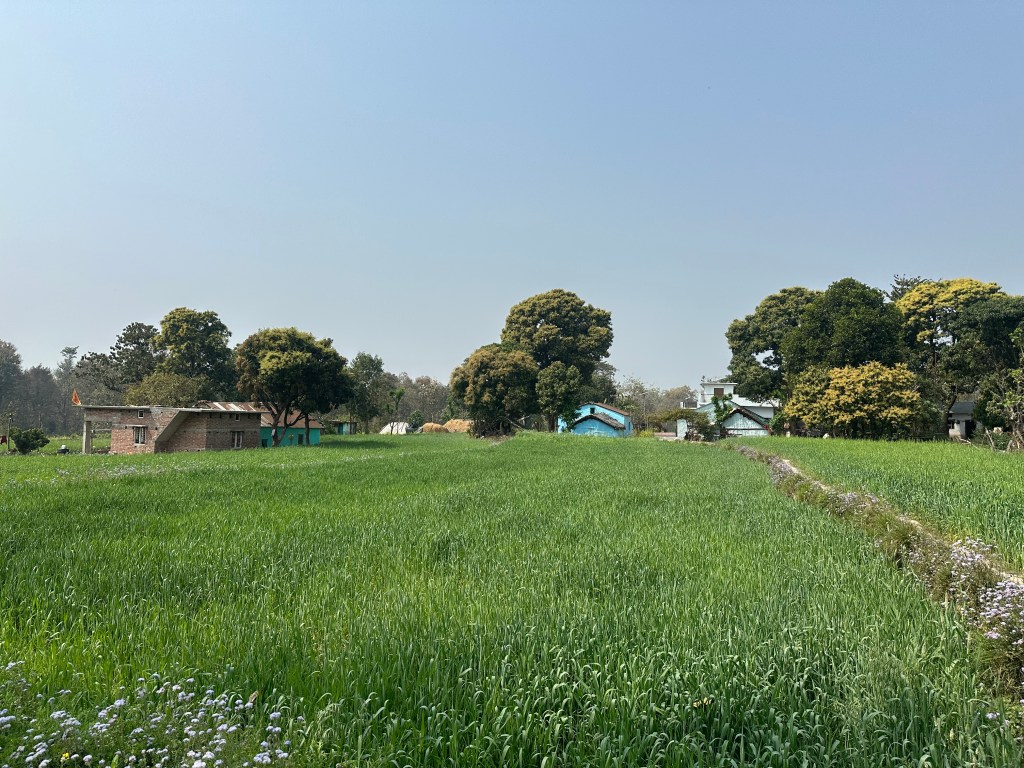
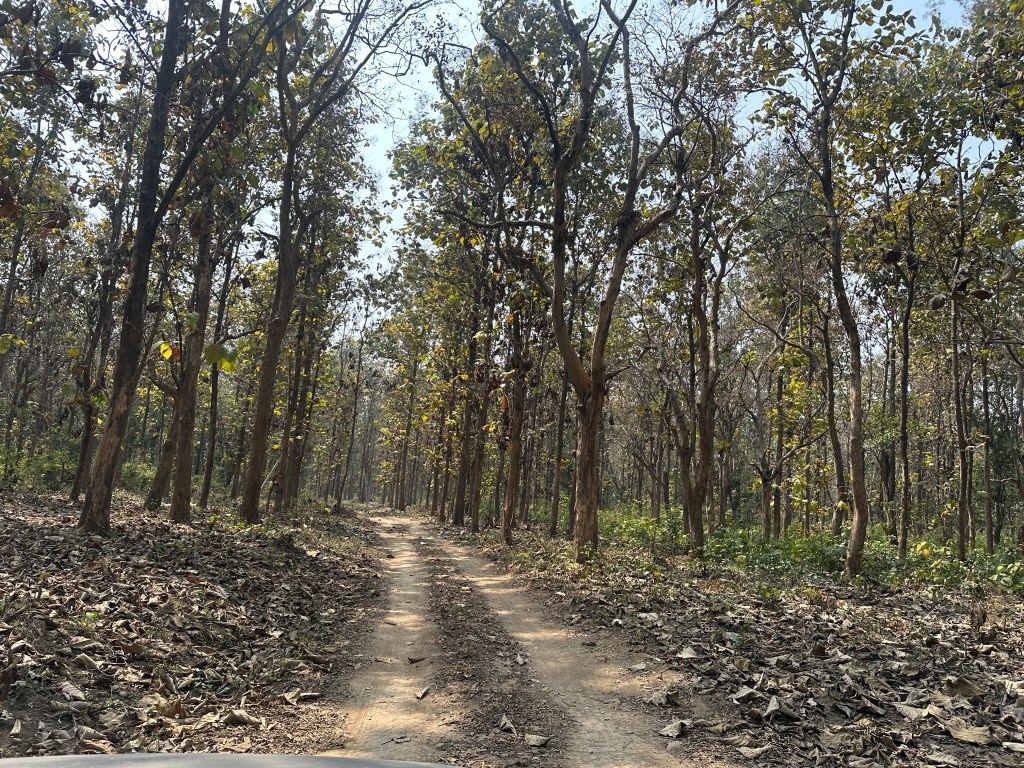
The Sitabani (or Sitavani) temple is located at a distance of roughly 23 kms from the main Ramnagar town, and about 7 kms from Patkote (via Rampur village). The area is surrounded by dense forest, dominated by Sal and Teak. Given the time of the year, the dirt road was scattered with brown, papery leaves, and it produced a peculiar sound as our vehicle navigated the bumpy ride, disturbing the otherwise deep silence that is the hallmark of the forest. Nature, in its own cadence, letting go before it renews itself again.
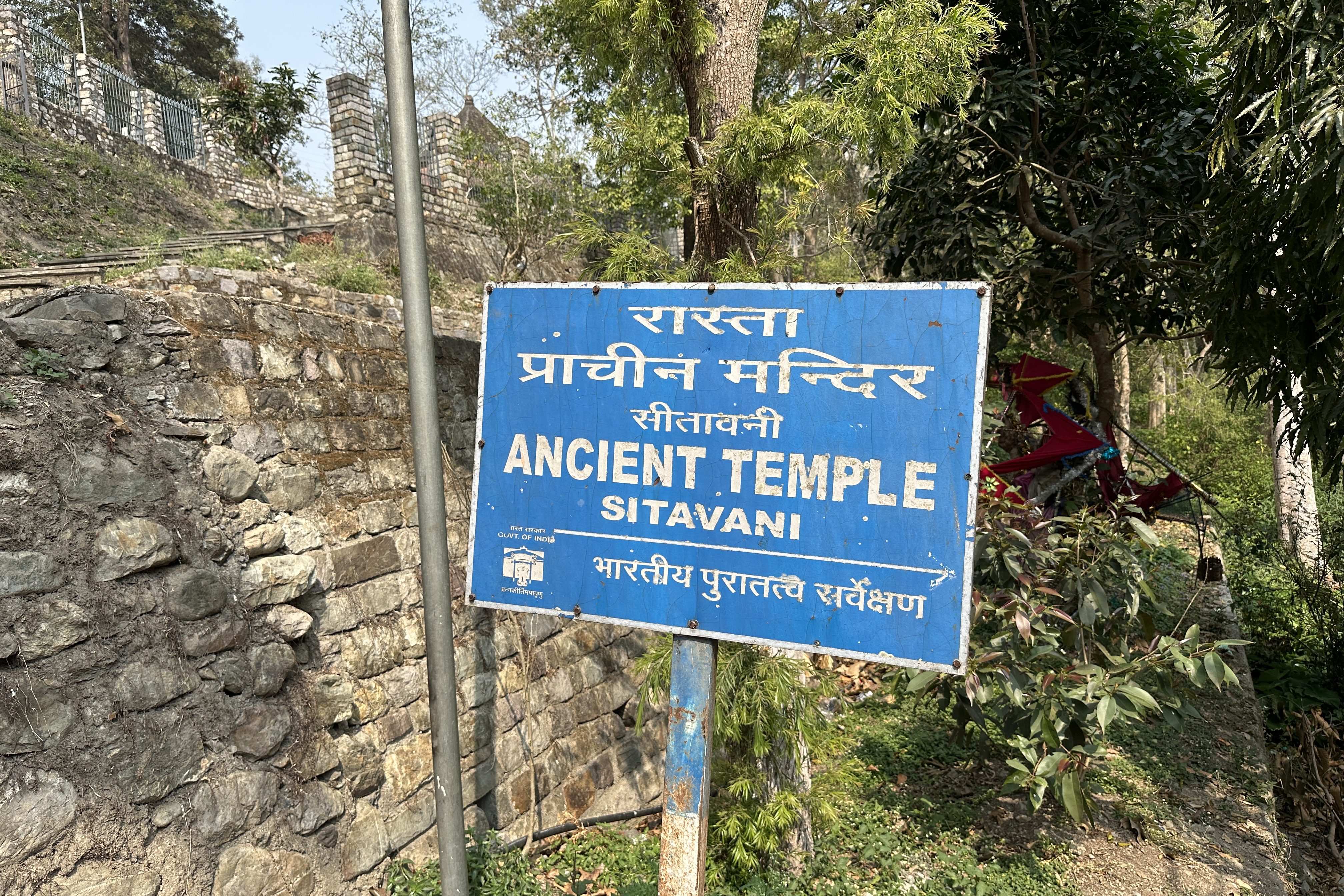
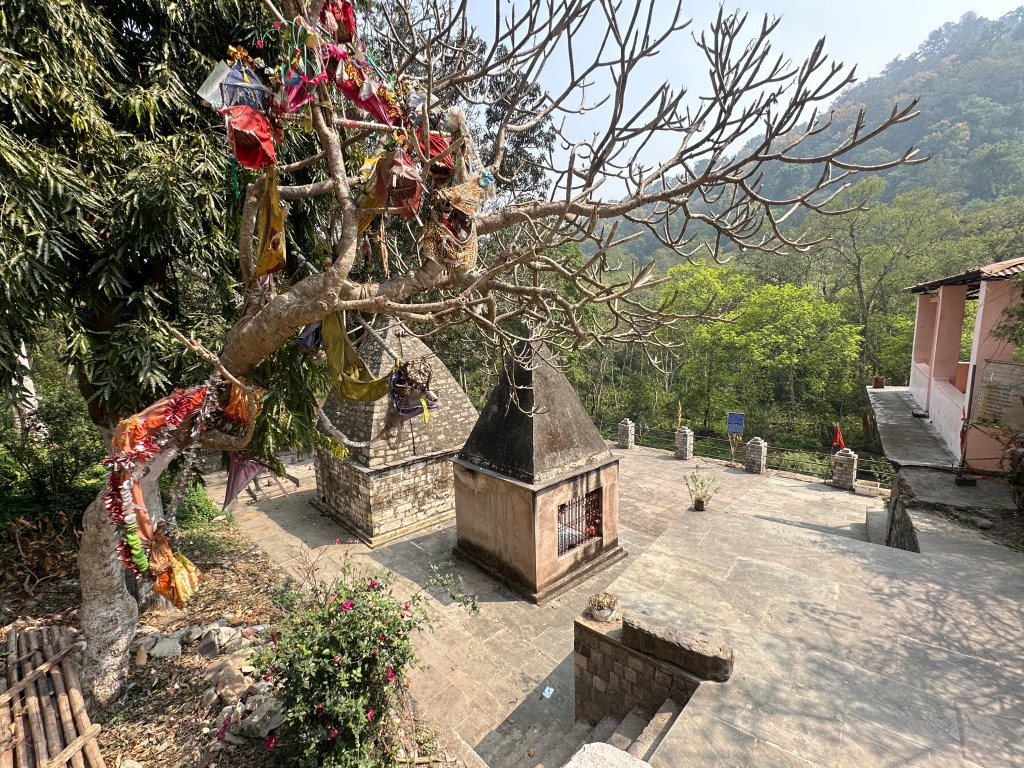
As we arrived at the temple complex, ring-fenced by barbed wires, we heard the muffled sound of a water stream. The main temple and the water body wasn’t visible, and we had to walk down a few steps to reach them. The temple is believed to have been built in the 18th century and is currently protected by the Archaeological Survey of India (ASI).
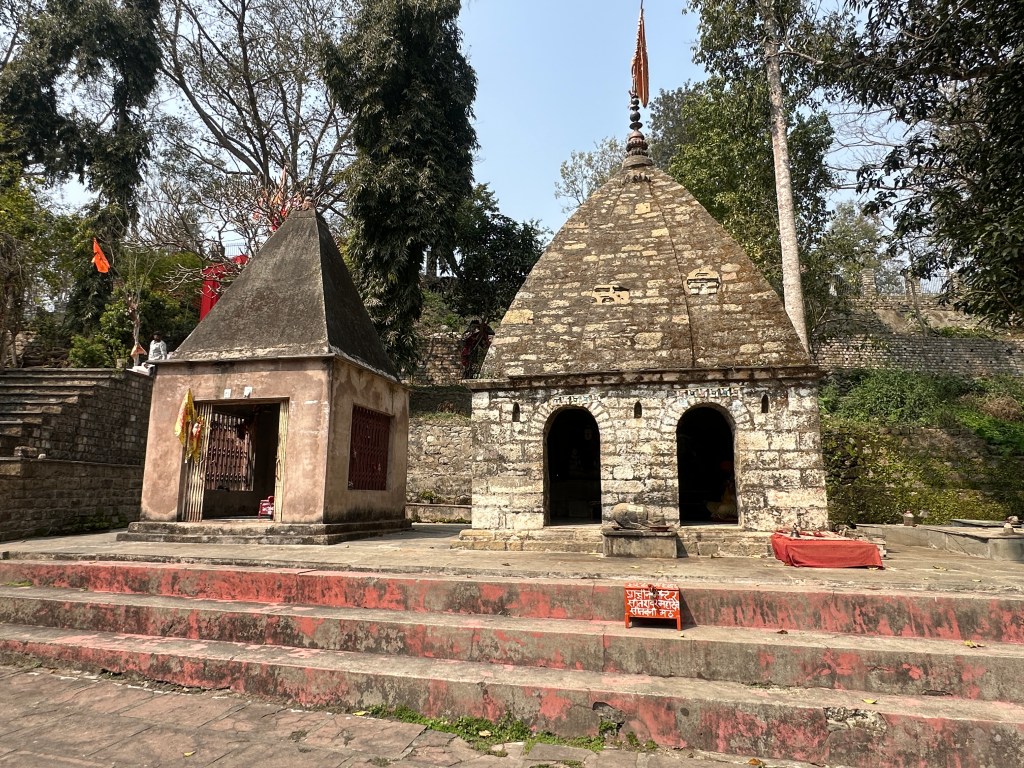
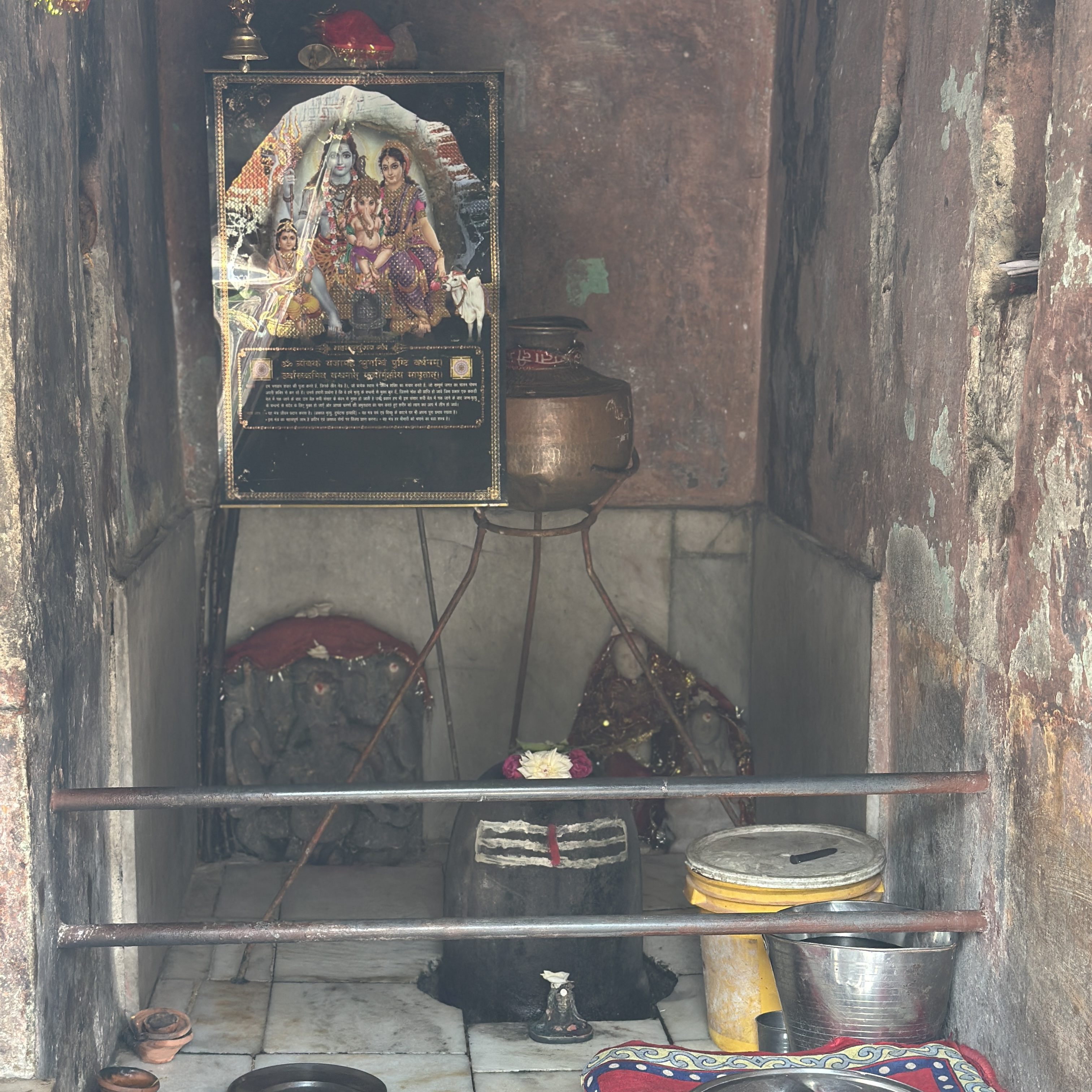
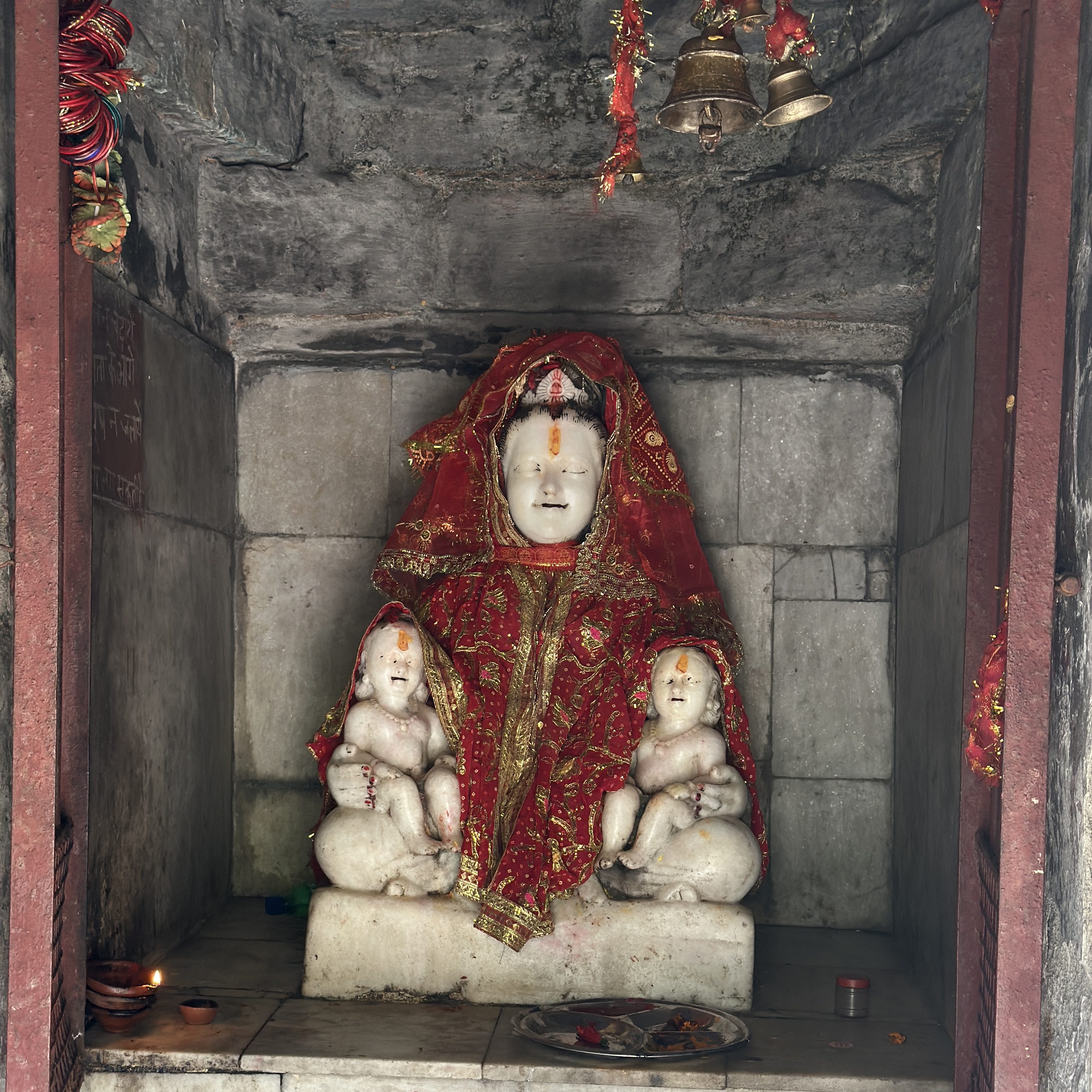
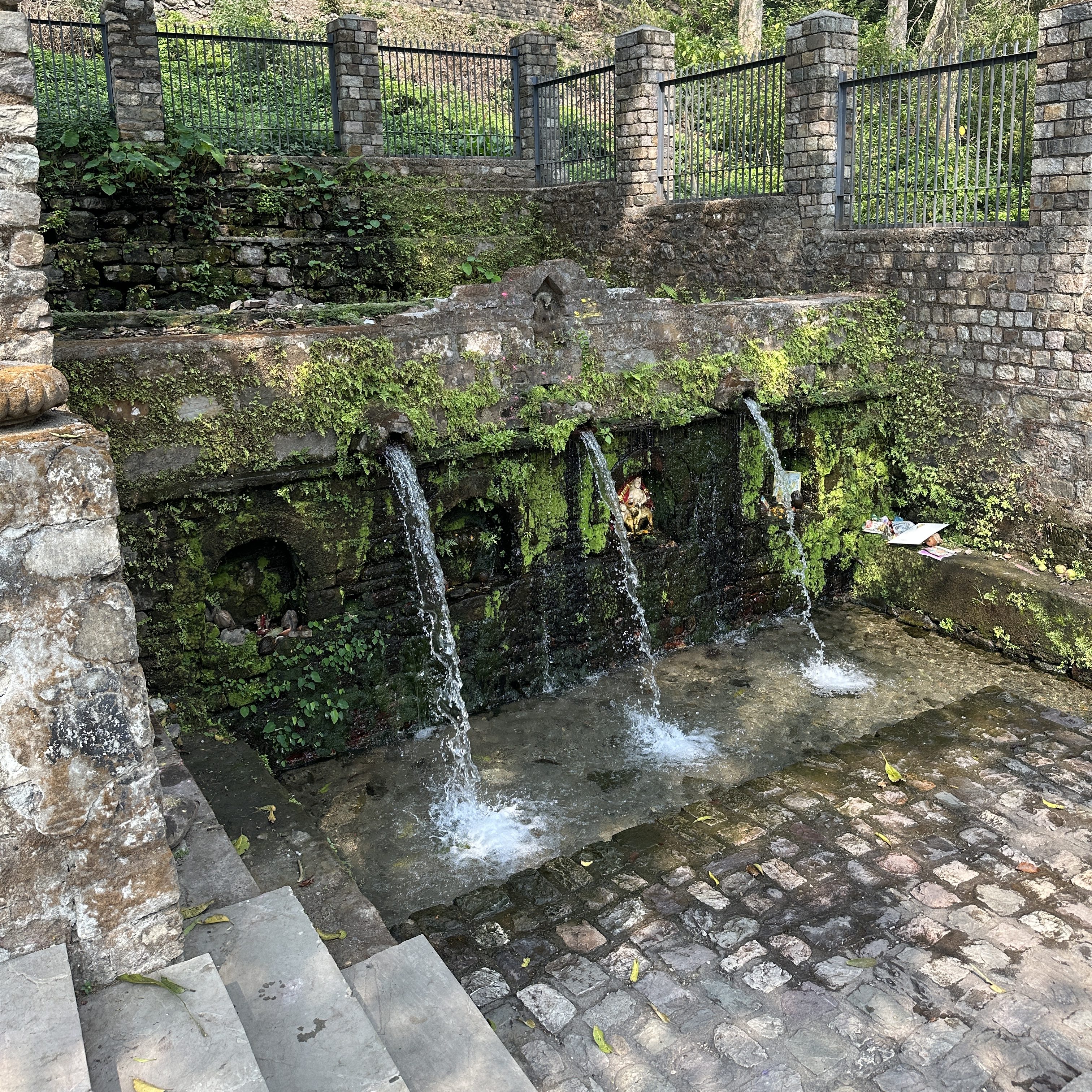
Soon we saw the two shikharas (typical temple architecture in the region). One of them houses the Siteshwar Mahadev (a form of Lord Shiva), and the other has the idols of Sita, Luv and Kush. In the vicinity, were three spring-fed mouths, trickling out clear, cool water, eventually tumbling down into a large pond below. We paid our obeisance, and the priest (from the Goswami family of the neighbouring Bhalon village) put a vermillion tika on our forehead and gave a brief narration of the historical context associated with this place.
1st exile of Sita and Ram
As per the Valmiki Ramayana, Rama, Sita & Lakshman, are believed to have spent 14 years in exile. The locals believe that they spent this time here, in these thick forests of Sal and Teak. It is said that they prayed to Lord Shiva here, which is why there is a temple/idol dedicated to Siteshwar Maharaj (a form of Lord Shiva). Each year, on Mahashivaratri (during the Hindu month of Phalguna), a grand fair takes place here.
2nd exile of Sita
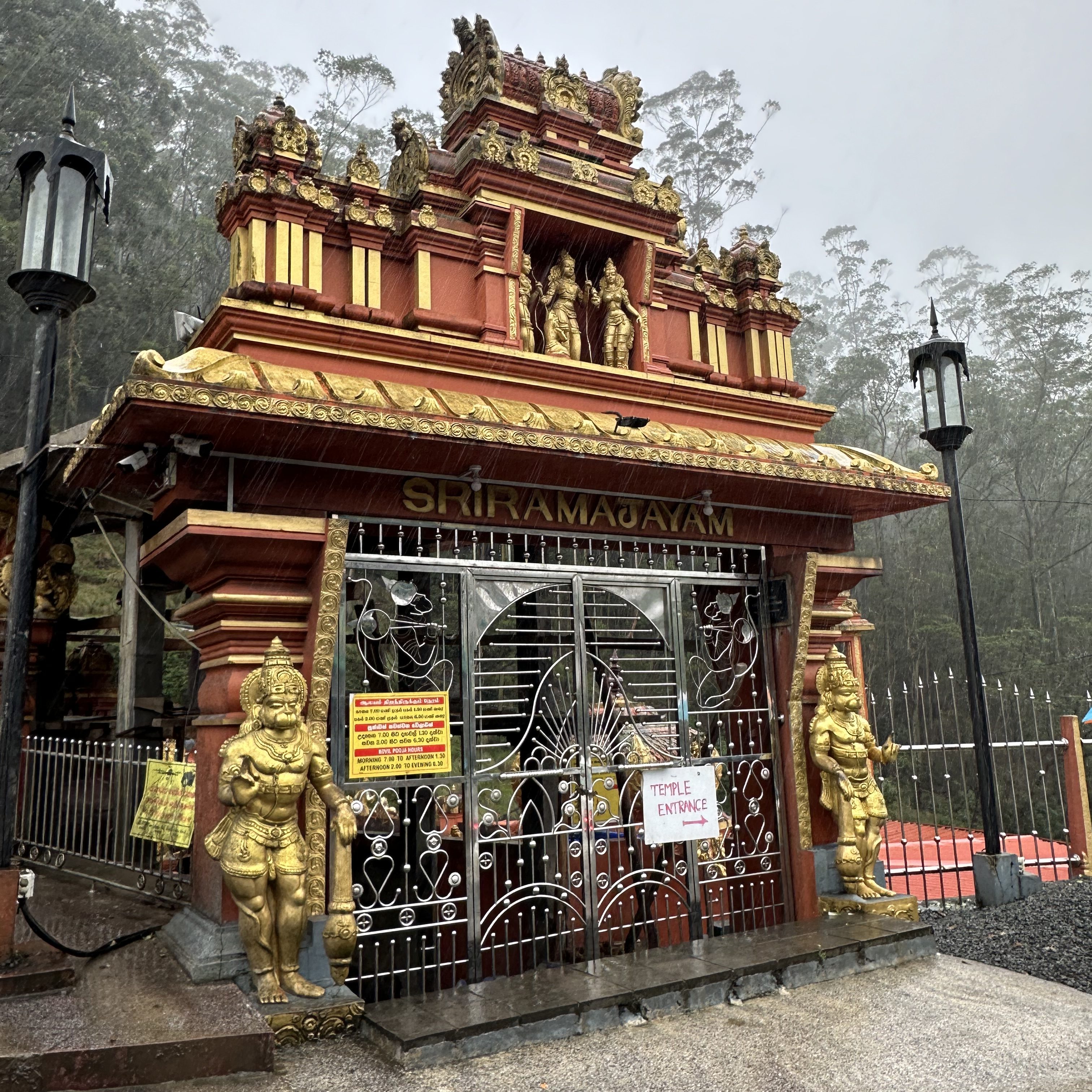
After Lord Ram returned back to Ayodhya, Sita was later sent back again into exile due to societal doubts, questioning her purity (during the time she spent in Ravana’s captivity in Lanka). A few years back I visited Seetha Eliya (in Sri Lanka) which is believed to be the place where Sita was held captive by Ravana. Lakshman left her in these forests of Sitabani, where Valmiki had his ashram. She spent her time here, raising her sons Luv and Kush, in a life of simplicity and learning, under the mentorship of Sage Valmiki.
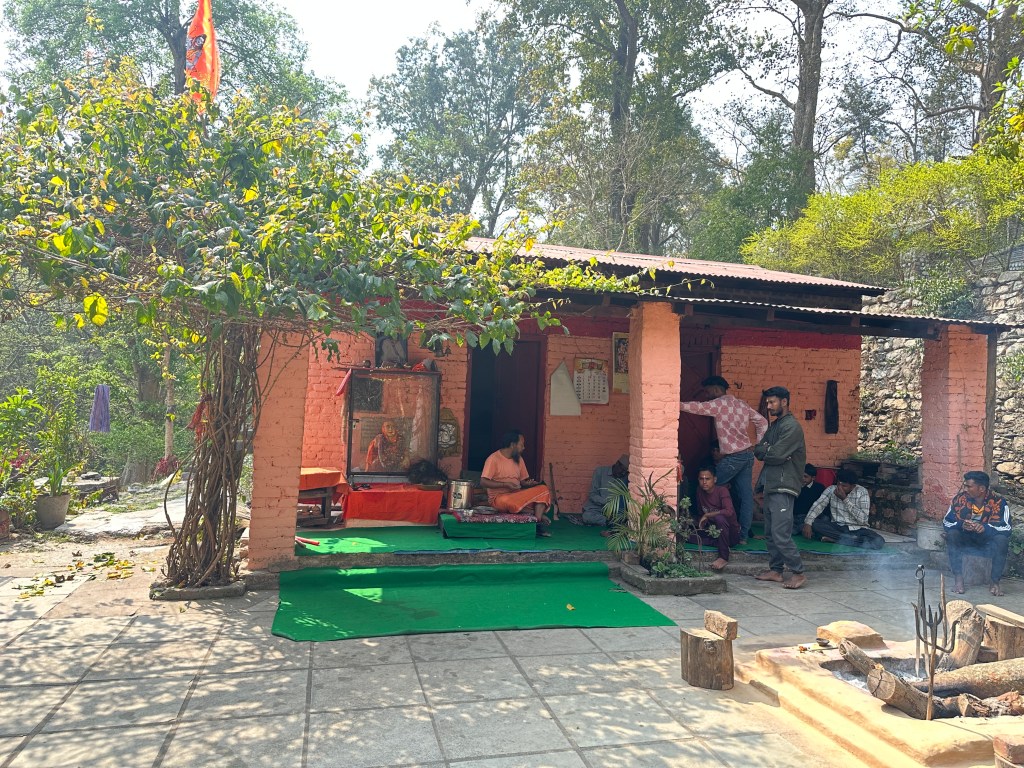
On the upper floor, a relatively new construction houses a set of idols of Ram, Sita and Lakshman. A sadhu resides is a small, ordinary hut beside it. As I engaged in a brief conversation with him, I realized he has been living here for the last one year, amidst the wilderness, absorbed in his quest for divinity. I was curious to know if he had ever sighted a tiger, to which he responded in negative, but mentioned to have heard its roar once. Elephants and bears have been spotted by him.
If you are visiting Jim Corbett, you may want to amend your itinerary and make this a part of your visit. A tranquil spot, surrounded by thick, lush forests, where silence settles in deep folds, making you pause, reflect and wonder about the mythological stories these woods perhaps hold.
Enjoyed reading ? Subscribe here…
Useful Google Map links
Sitabani (Sitavani) temple – Click here
Patkote village – Click here
Ramnagar town – Click Here
 Travel diaries from Uttarakhand