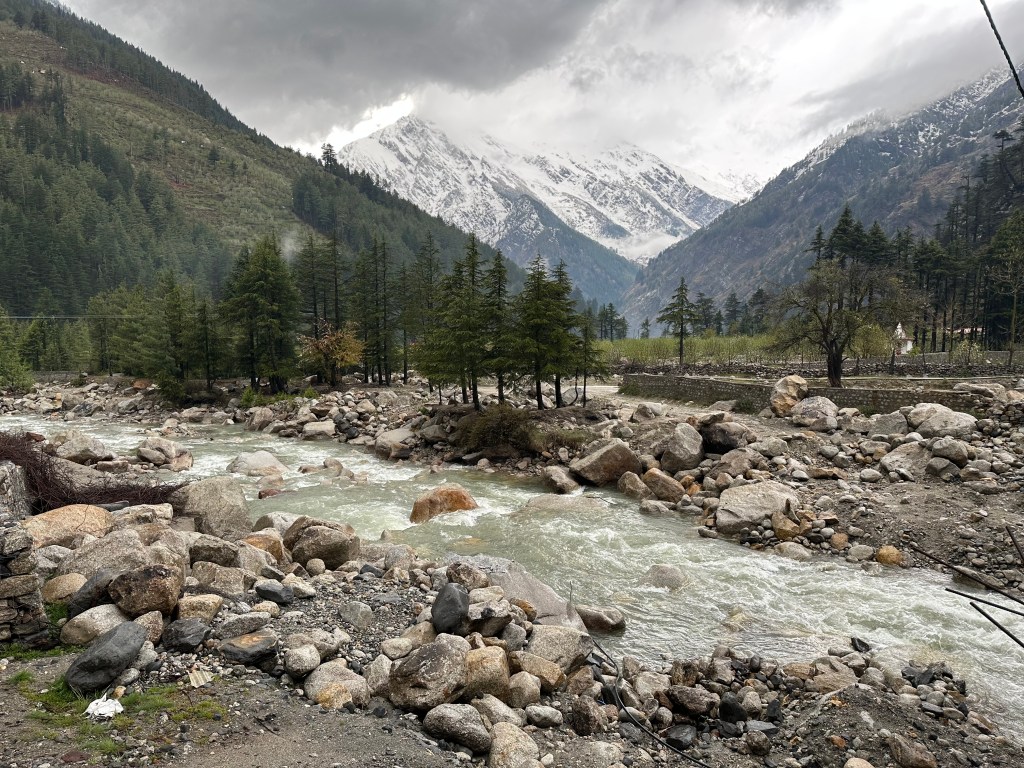
In the 19th century, there lived a man in Garhwal, in the majestic Harsil valley, whose work and actions made a profound impact, reverberating through the hollows of time, with remnants of Frederick Wilson’s legacy still evident today.

It was a sheer destiny that brought him first to Mussoorie, but a sequence of events that unfolded there, compelled him to evade the watchful eyes of the East India company’s officers. Through a clandestine agreement with Captain Young, (the superintendent of Dehradun at that time), and fueled by an ambition to establish a business empire of his own, Frederick Wilson, also carrying a sobriquet of ‘Pahari Wilson’, or ‘Raja of Harsil’, carried himself to the distant fringes of Uttarakhand’s mystical Himalayan expanse. As he ascended the formidable summit (the area around Sukhi Top and Jhala villages), he was beheld by the enchanting vale that unfurled before his eyes and he was swiftly ensnared by its dazzling beauty. He gazed over the vast Upper Tangnore valley with Bhagirathi meandering its way through the middle. The slopes were peppered with orchards and terraced fields. The year was 1842, when Wilson, marched his way forward, eventually stopping by a small clearing located at the confluence of Bhagirathi and Jalandhari rivers, a few hundred yards before the town of Harsil. Amidst the thick forests of deodar, surrounded by a symphony of vibrant wildlife and protected from the northernly winds by a giant bolder and a sloping ridge, Wilson found his base. And this place remained his abode all his life, though his adventures took him to places, piling up properties around and establishing a flourishing business in the region and outside.
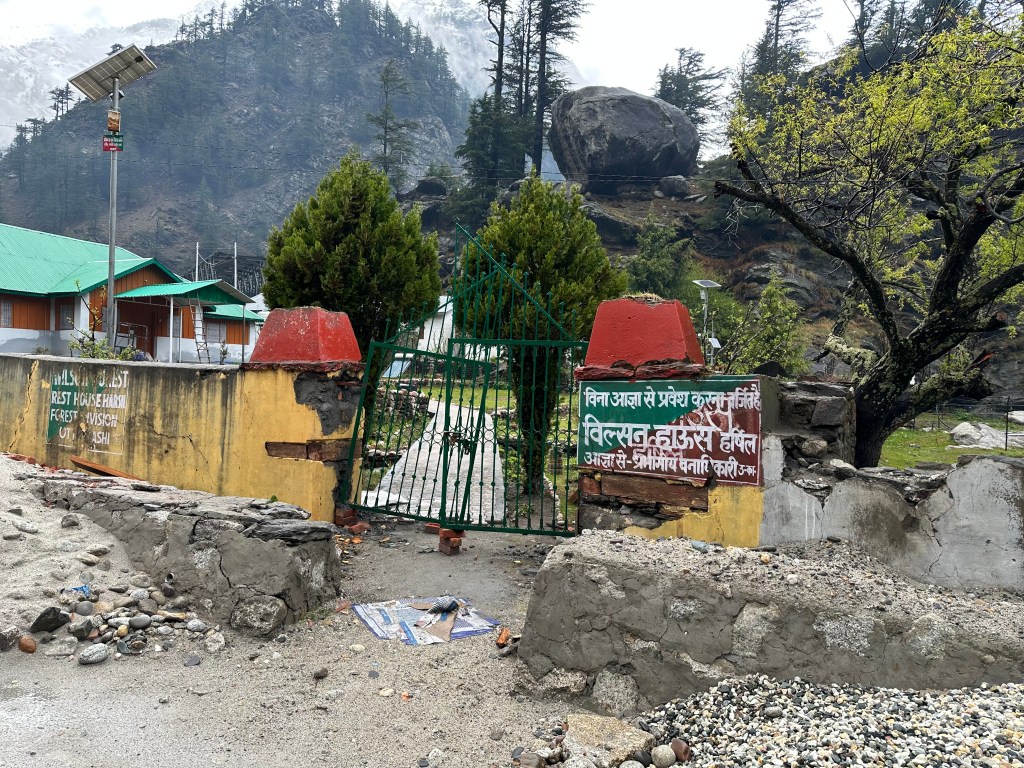
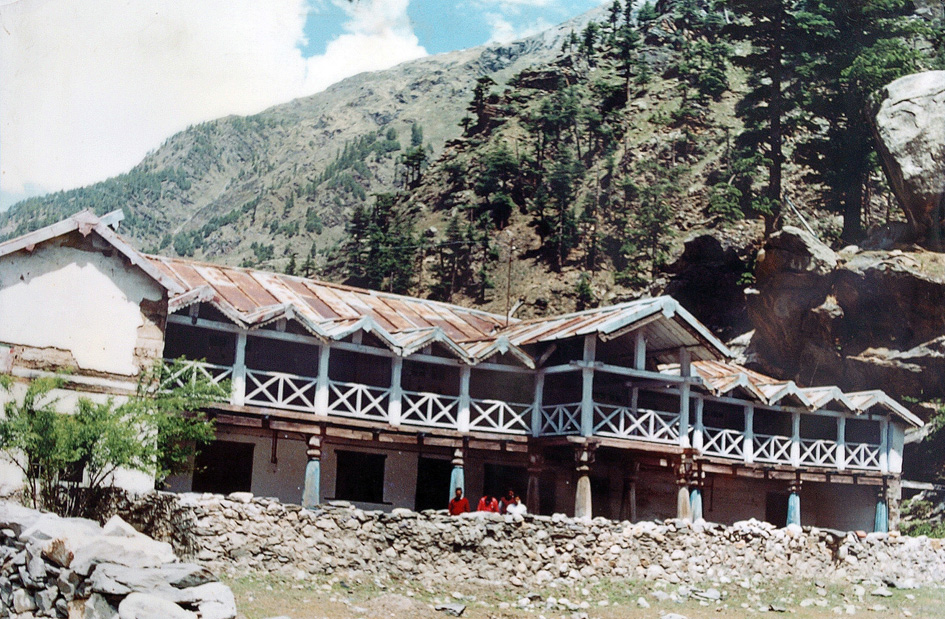
Later, Wilson built a huge mansion at this same place using stones and deodar wood. The mansion withstood a vast period even until after his death (in the year 1883), however, a tragic fire, on 15th February 1997, destroyed it entirely. If you visit the area now, you will find a modest forest bungalow standing in a solemn and hushed atmosphere. A signage at the entrance gate says ‘Wilson House – Harsil’ in Hindi.
Wilson’s connection with Mukhba village
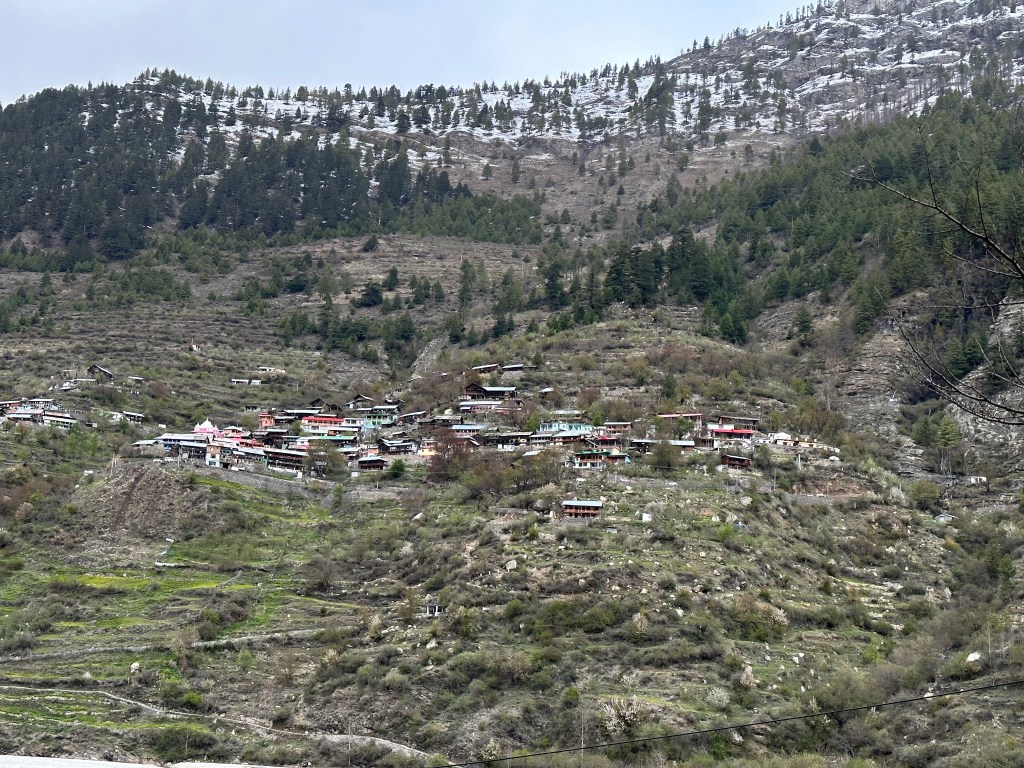

A few kilometers up north of Harsil lies a tranquil village of Mukhba. It is a thriving village compared to the hill standards with a cluster of houses perched on the terraced land. What makes it special is that this village houses the Ganga temple and is the winter abode of the idol of Goddess Ganga and the temple priests (semwals) from the village are the custodians of the idol at Mukhba as well as at Gangotri (the Goddess’s Summer abode). From the village, the snow-capped Sri Kanta peak appears like a guardian giant, protecting the village and its inhabitants from malevolent gazes.
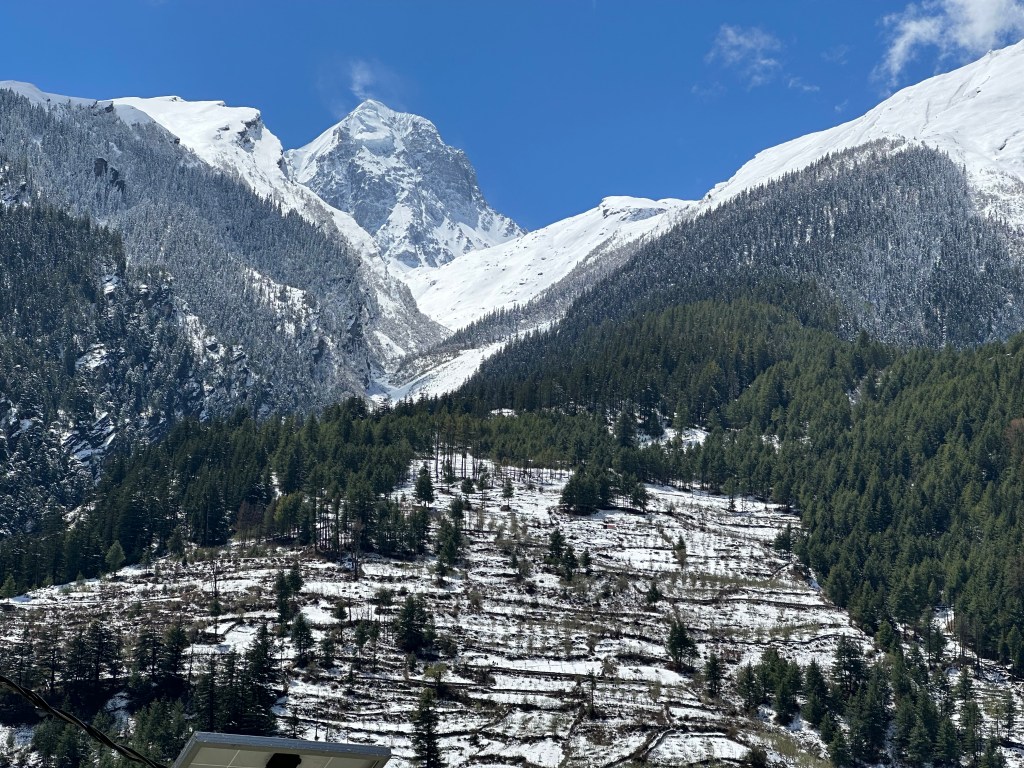
The Chand people of the village are known to be drummers and partake in temple activities including the annual procession of Goddess Ganga from Mukhba to Gangotri. Wilson (called Hulseyn Sahib by locals) married a girl named Sungrami Chand (also known by the name Gulabi, and daughter of Mungetu Chand) who belonged to one of the chand families residing in the village. This was Wilson’s 2nd marriage (he was 1st married to a girl named Raimatta but since they didn’t have any issue, Wilson re-married). During my trip to the village (in April’2023), I was lucky to have met some of the family members from Mungetu’s lineage (apparently the 4th/5th generation). This is the house where Wilson spent a considerable time whenever he visited here.
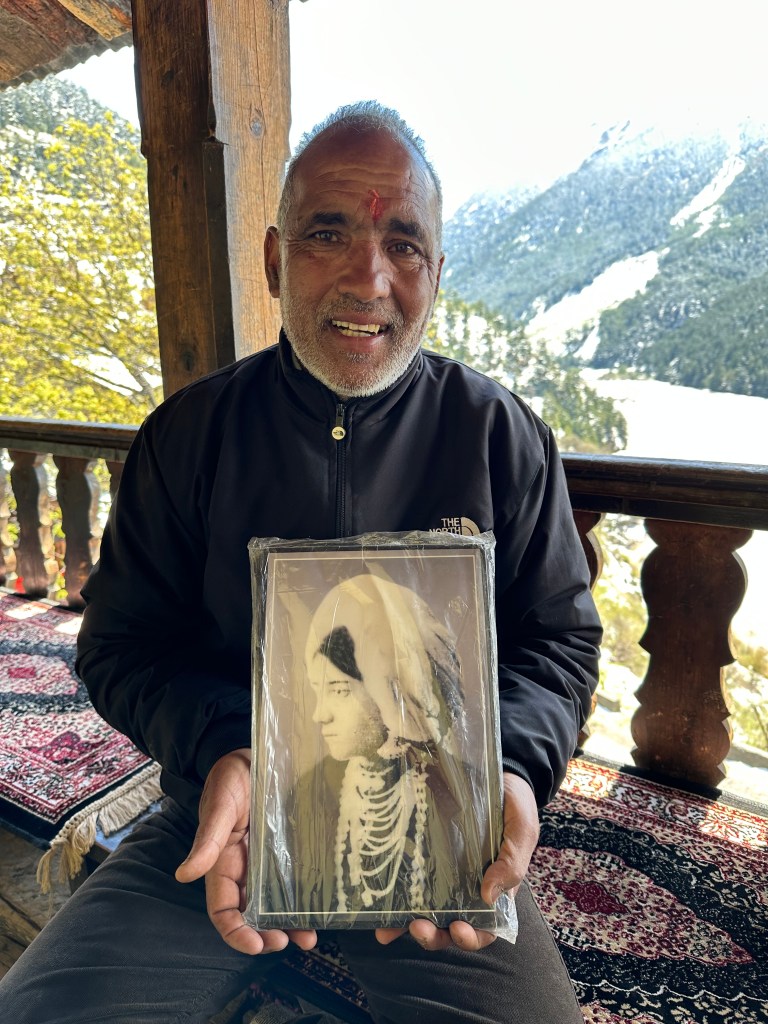
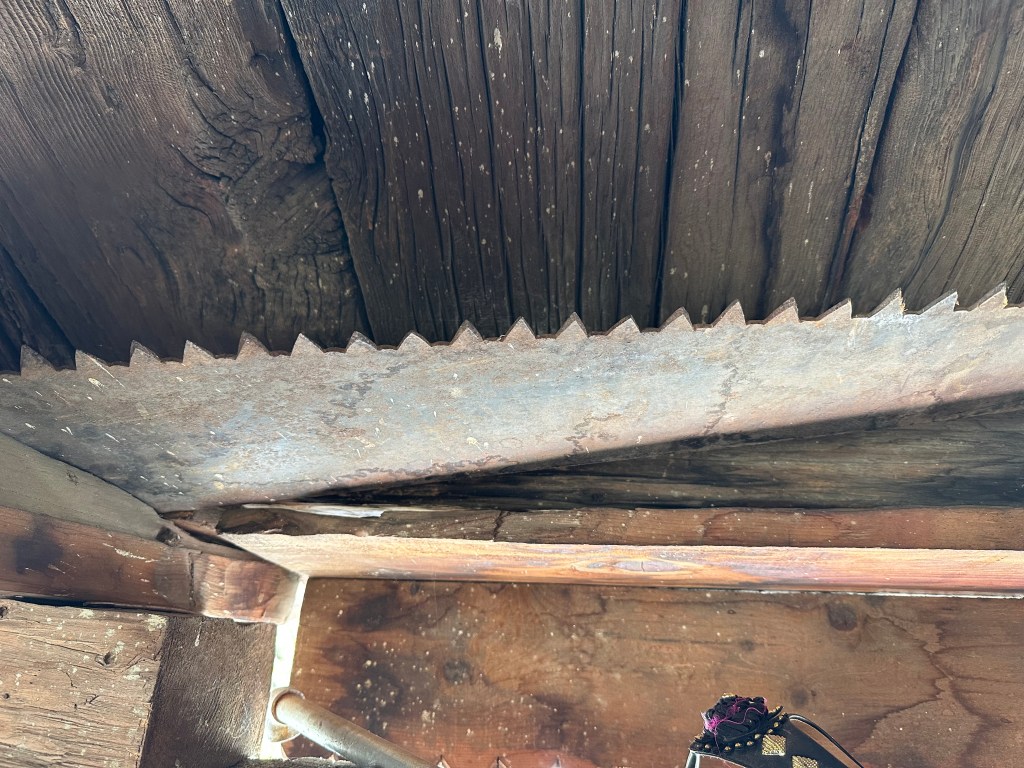

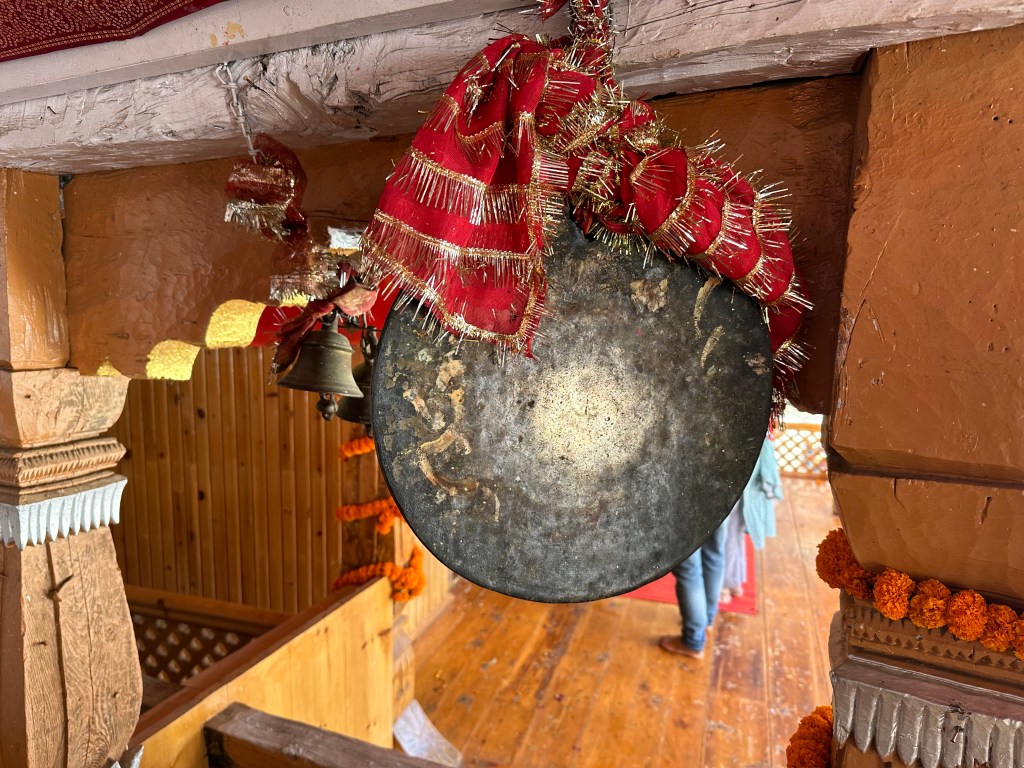
As I chatted with the members of a particular Chand family, my eyes fell upon a large and corroded cross-cut saw resting on a wooden ledge, located at one end of the house’s main corridor. Prem Chand, from the lineage, smiled and brought a portrait of Raimatta, sadly mentioning that this was all that remained of the family’s inheritance. The house, constructed in the typical Garhwali architecture using wood and stones, has stood the test of time and is one of the oldest houses in Mukhba. Wilson built this house; however, a massive earthquake in Uttarkashi significantly damaged the building.
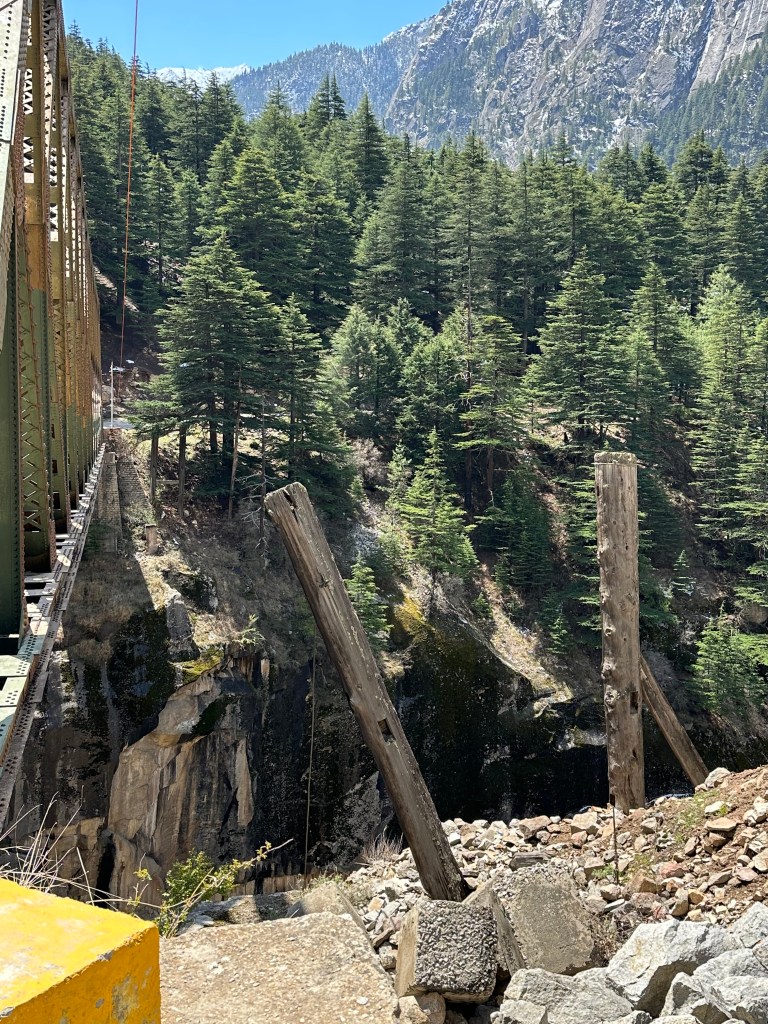
Wilson is also credited with constructing a suspension bridge over the Jadh Ganga river, which facilitated the journey for pilgrims heading to the famous Gangotri dham. As we cross ‘Lanka bridge’, the ruins of the Wilson bridge are distinctly visible, as a reminder to those times.
The empire of Pahari Wilson – he had a deep passion for business.
During his nearly 40 years of stay in Garhwal until his death, Frederick Wilson established a thriving business empire. He obtained a license from the then Raja of Tehri, Sudarshan Shah, to harvest wood, which he subsequently transformed into a prosperous enterprise. It is said that he had the the trees cut and sent downstream to Haridwar by floating them in the Bhagirathi River.
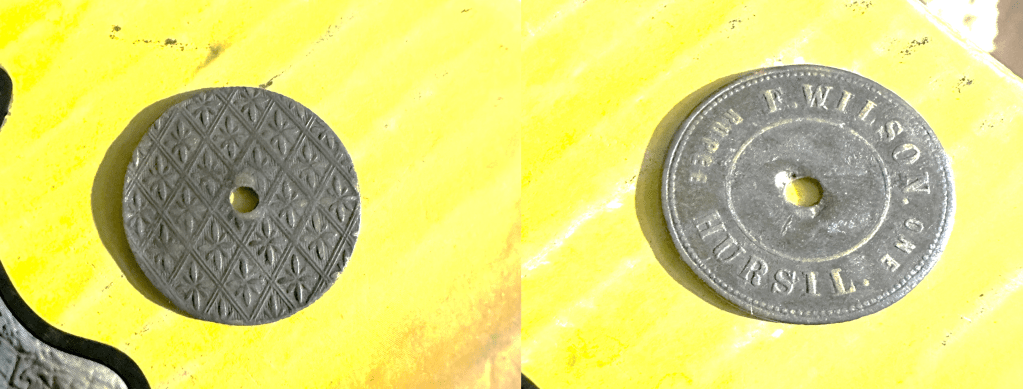
The 1850s period marked a significant period with the construction of railway lines and the monumental Ganga canal project, both of which created a significant demand for his wood. The railways required his wood for building sleepers and the canal work needed wood for firing the kilns. To meet these growing demands, Wilson engaged thousands of workers under the banner of ‘Wilson & Son’s. He even introduced his own brass coin, which quickly gained acceptance as a medium of exchange, especially in and around the Harsil area.
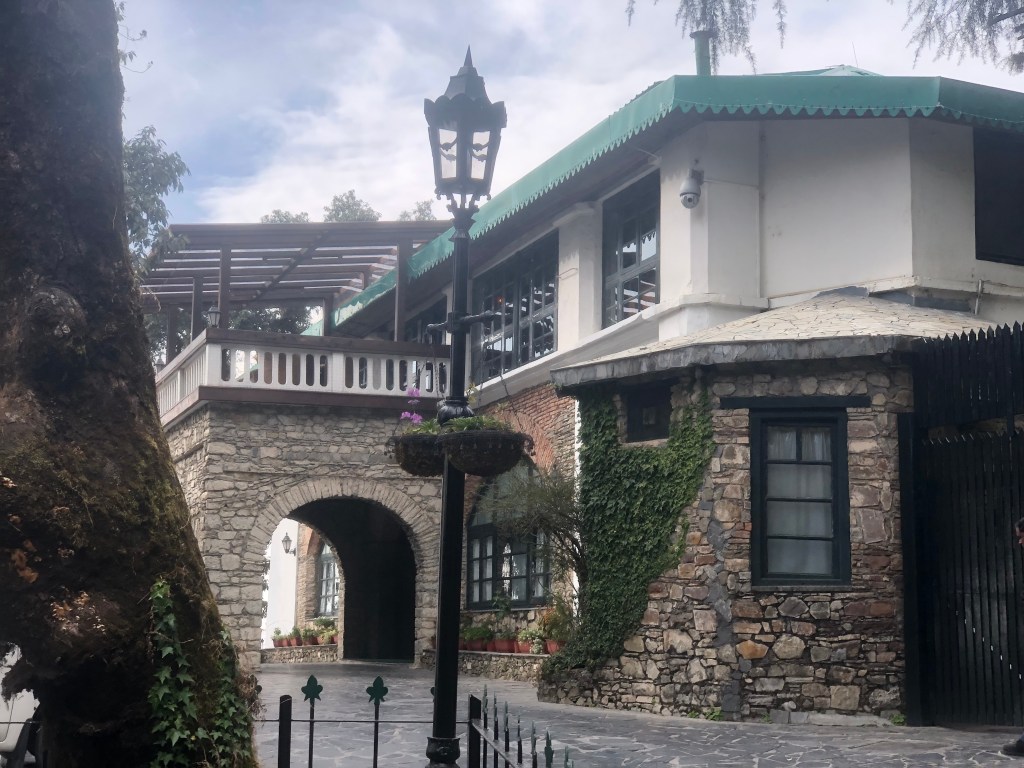
He owned properties in Mussoorie and Dehradun, including the one that currently houses the Lal Bahadur Shashtri National Academy of Administration, where new IAS officers receive training. This property was called Charlesville Hotel at that time. His other properties include Rokeby Manor, renowned luxury property that remains operational in Landour, as well as West Lynne. Additionally, the famous Astley Hall in Dehradun was once in his ownership.
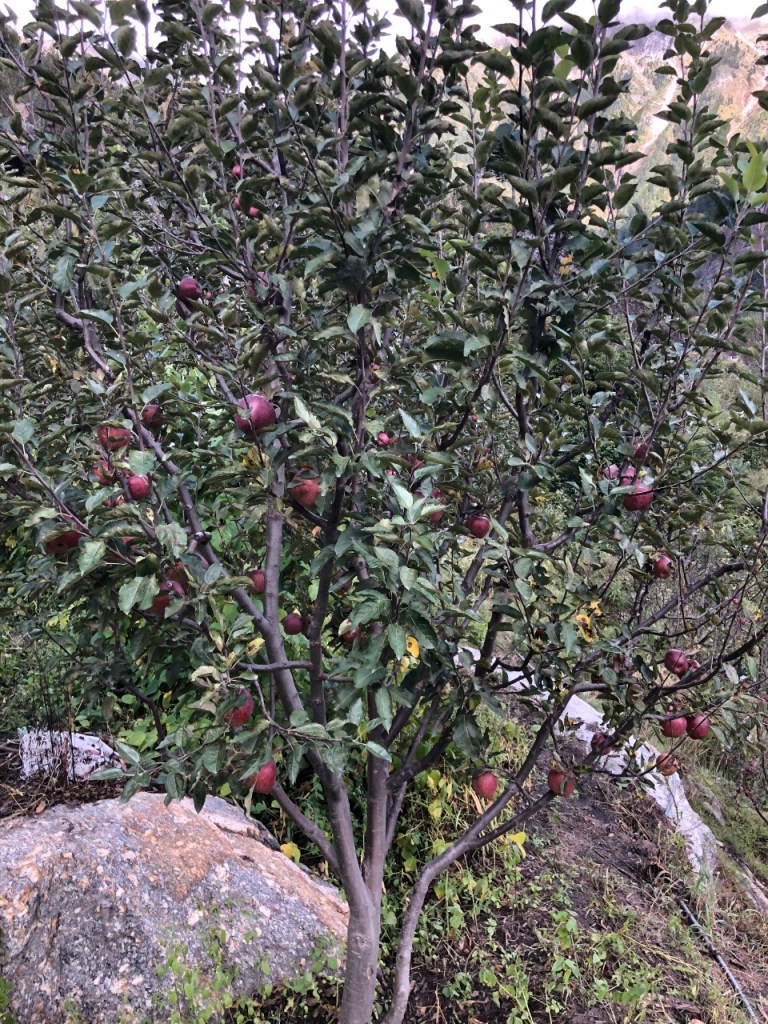
To many, Wilson was a kind of messiah, as he provided employment and ushered in a signification transformation, especially for the residents of the remote Upper Tangnore region. As you drive through this enchanting valley during the appropriate season, you will find lush trees dotted with reddish-green and luscious apple varieties. It was Wilson who introduced apple cultivation to the region, which is now well renowned as the apple hub for its high-quality produce. However, many people also raise questions about the extensive ecological damage caused by Wilson’s actions.
To me Frederick ‘Pahari’ Wilson remains a character of importance. It has been over 140 years since his death, but stories of him continue to travel through the moist and damp air as you stroll around the alleys of the magnanimous Harsil valley. He’s known, and people will have something to say about him when you inquire.
I hope you enjoyed the post.
To discover places linked with Frederick Wilson, where to visit?
- Travel to Harsil and Mukhba villages. Located in the Uttarkashi district and on the main route leading to Gangotri. Mukhba is only a small detour from Harsil.
- Mussoorie – The Rokeby Manor is in the Landour area, quite close to the famous Char Dukan.
- Visit the cemetery in Mussoorie – he is buried there along with his wife.
- Astley Hall is in the heart of Dehradun, on the main and vibrant Rajpur road.
PS – The featured image of Frederick Wilson is courtesy of the website “www.raja-of-harsil.com/”. According to the website, the picture was found in a bungalow in Bhatwari, Uttarkashi, which was once owned by Wilson.
Subscribe to stay updated for more !
 Travel diaries from Uttarakhand
Although I lived in Dehradun, never got a chance to know or explore Garhwal. Your blog’s are really insightful and powerful. Wish you all the best . Keep sharing. Thank you Saurabh
LikeLiked by 1 person